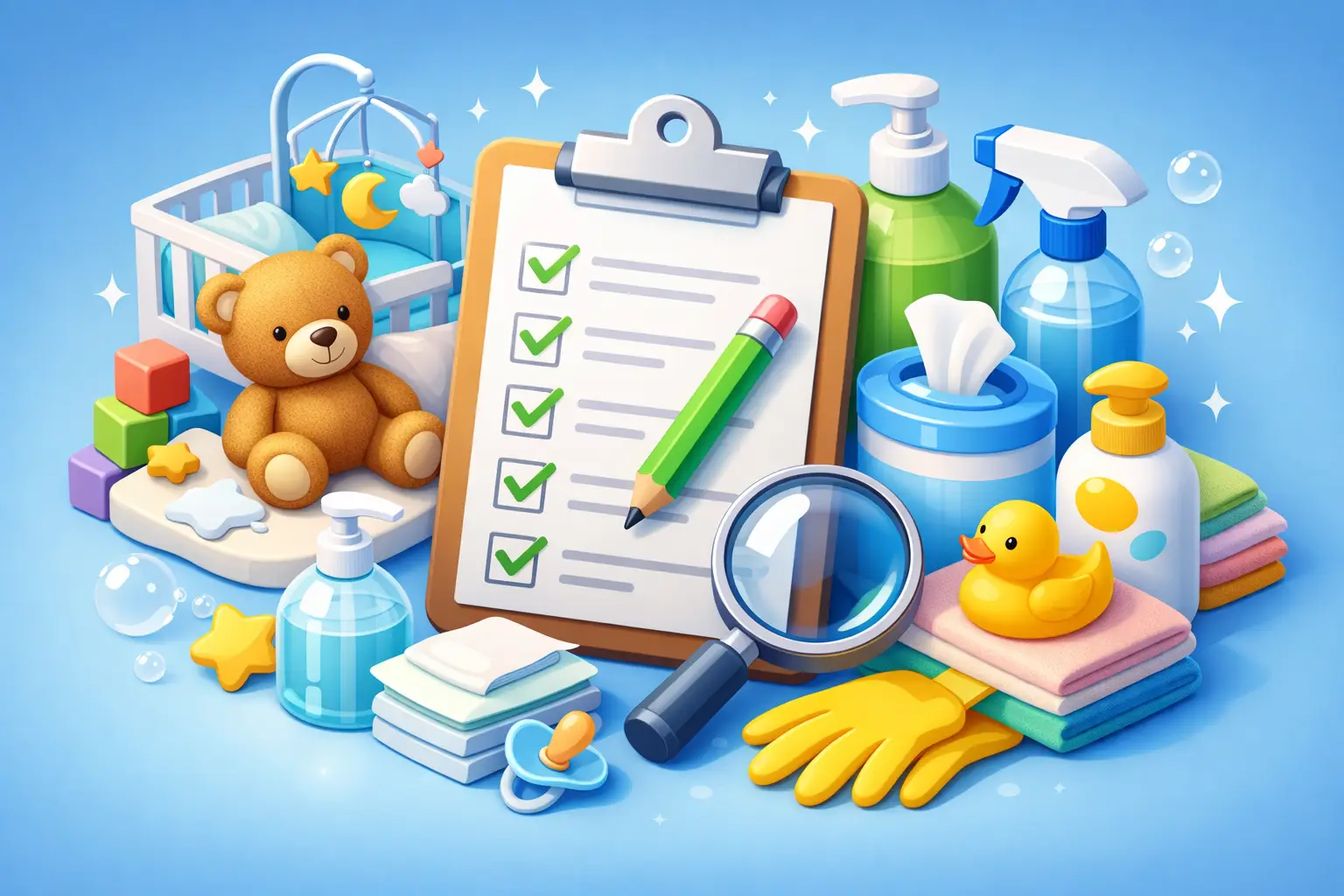
A nursery can look cheerful, well organized, and full of lovely learning materials, yet parents still need to know what happens between the visible moments. A thoughtful nursery hygiene standards checklist helps you ask practical questions about the routines that protect children every day – from handwashing after play to cleaning sleep spaces between uses.
For babies, toddlers, and preschoolers, hygiene is not separate from care. It supports comfortable meals, safe rest, confident exploration, and fewer disruptions to their routine when common illnesses circulate. The right setting should feel warm and home-like while following clear, consistent procedures that families can understand.
What Good Nursery Hygiene Looks Like
High standards are not about making a nursery feel clinical. Young children need freedom to touch, build, paint, share stories, and learn through play. The goal is to make those experiences safe through thoughtful preparation and dependable daily habits.
When visiting a nursery, notice whether cleanliness appears to be part of the rhythm of the day rather than something done only before a tour. Are educators calmly supporting children to wash their hands? Are tables cleaned before and after meals? Do toys look well cared for, with damaged items removed? Small observations can tell parents a great deal about how carefully a setting is managed.
It is also reasonable to ask how routines differ for infants and older preschoolers. A two-month-old BabyStar needs individual bottle, diapering, and sleep procedures. A confident Biggies child needs support learning independent habits, such as handwashing and covering a cough, with patient adult guidance.
Nursery Hygiene Standards Checklist for Families
Use this checklist during a visit or enrollment conversation. A caring nursery should be able to explain its approach clearly, without making parents feel that they are asking too many questions.
Handwashing and Personal Care
Handwashing is one of the most effective everyday protections in an early childhood setting. Children and staff should wash hands on arrival, before eating or handling food, after toileting or diaper changes, after outdoor play, after wiping noses, and whenever hands are visibly dirty.
Look for child-height sinks where appropriate, soap, running water, and a hygienic method for drying hands. For younger children, educators should provide close supervision and gentle help. Hand sanitizer can be useful in specific situations, but it does not replace proper handwashing when soap and water are available.
Ask how the nursery teaches these habits. The best approach is calm and encouraging, not rushed or corrective. Repeated routines help toddlers build the independence that will serve them at home and in school.
Diapering, Toileting, and Clothing Changes
Diapering areas should be separate from food preparation and play spaces. Staff should use a clean changing surface, follow hand hygiene procedures before and after each change, dispose of waste safely, and disinfect the area between children.
For toddlers who are toilet training, hygiene and dignity must work together. Children need timely support, clean facilities, spare clothing when needed, and reassurance if an accident happens. Parents should also know how clothing is bagged and returned, as well as how staff communicate changes in toileting patterns, rashes, or discomfort.
A nursery should have a clear supply system for diapers, wipes, creams, and extra clothes. Personal items must be labeled and stored separately to avoid mix-ups.
Meals, Bottles, and Food Areas
Food safety deserves close attention, particularly for babies and children with allergies. Preparation surfaces, high chairs, tables, utensils, and cups should be cleaned and sanitized using procedures suitable for areas where food is served.
Parents can ask how bottles are labeled, stored, warmed, and returned. Each child’s milk, formula, and feeding instructions should be handled individually. Bottles should never be shared, and staff should be aware of safe storage times and temperatures.
For older children, meal routines should include handwashing, supervised eating, and cleaning tables after use. If a child has an allergy, dietary restriction, or cultural food requirement, ask how this information is recorded and shared with every educator responsible for that child.
Toys, Learning Materials, and Shared Spaces
Children learn by using their hands, which means toys and activity materials need an organized cleaning routine. Frequently mouthed toys, especially in infant rooms, require prompt cleaning before another child uses them. Toys that cannot be cleaned easily may not be suitable for very young children.
Ask how often toys, books, sensory materials, dress-up clothes, and outdoor equipment are checked and cleaned. Daily cleaning may be appropriate for high-touch items, while deeper cleaning should follow a planned schedule. The exact frequency depends on the item, the age group, and whether an illness is circulating.
A good nursery also separates clean toys from items waiting to be cleaned. This simple detail reduces the chance that a toy used by one child is immediately handed to another.
Sleep and Rest Areas
Safe, clean sleep is especially important for infants. Each baby should have an individual sleep space arranged according to the nursery’s safe-sleep policy. Bedding and sleep equipment should be clean, in good condition, and assigned or changed in a way that prevents cross-use between children.
Ask how often sheets are washed and what happens if bedding becomes soiled during the day. For young infants, families should also be told how staff check sleeping children and how sleep times are recorded and communicated.
For toddlers and preschoolers who nap, cots or mats should be cleaned between users and bedding should be stored separately. A restful area should feel peaceful, but it should never be overlooked simply because it is used at quieter times of day.
Illness, Medication, and Returning to Care
No nursery can prevent every cold, and parents should be cautious of any setting that promises otherwise. What matters is a sensible illness policy that protects the group while responding kindly to children who are unwell.
Ask when parents will be contacted, where a child waits if they become ill, and what return-to-care guidance is followed. The nursery should have a supervised, comfortable area away from the main group until collection can be arranged. Staff should monitor symptoms and communicate factually, without diagnosing a child.
Medication should only be administered under a documented process with parent authorization, clear dosage instructions, safe storage, and accurate records. Families should also feel able to share relevant health information, such as allergies, asthma, or recurring conditions, knowing it will be handled respectfully.
Questions Worth Asking During a Nursery Visit
Parents do not need to inspect every cupboard to make a thoughtful decision. A few direct questions can reveal whether hygiene is built into the nursery’s culture:
- How are handwashing, diapering, and cleaning routines monitored each day?
- What is the process for sanitizing toys and shared learning materials?
- How are bottles, food, allergies, and special dietary needs managed?
- What happens when a child becomes ill during the day?
- How are sleep spaces, bedding, and rest mats cleaned and assigned?
- How are parents updated about health concerns, accidents, or changes in their child’s routine?
Listen not only for the answer, but for clarity. Professional educators should be able to describe routines in plain language and explain who is responsible for carrying them out. Clear procedures help staff work consistently, even during busy arrival times, meals, and end-of-day transitions.
Hygiene Supports Learning and Belonging
A clean environment does more than reduce exposure to germs. It gives children the security to focus on play, friendships, communication, and new skills. When a toddler knows where to wash their hands, where their cup belongs, and which adult will help after a spill, daily life feels predictable and manageable.
At CESK Pre-school, care and development belong together. Children need adults who notice the small things: clean hands before a snack, a fresh surface for a baby’s diaper change, a calm response to a cough, and a cozy, well-prepared place to rest. These moments build trust just as much as songs, stories, and creative activities do.
When you visit a nursery, let your instincts and your questions work together. The setting that welcomes both is more likely to give your child the gentle, dependable care they deserve.